Take a colorful journey through the wines of our planet.
From sun-drenched Mediterranean vineyards to misty Pacific valleys, explore iconic wine regions, styles, and tasting tips—all in one vibrant page.
Note: Always enjoy wine responsibly and in moderation.
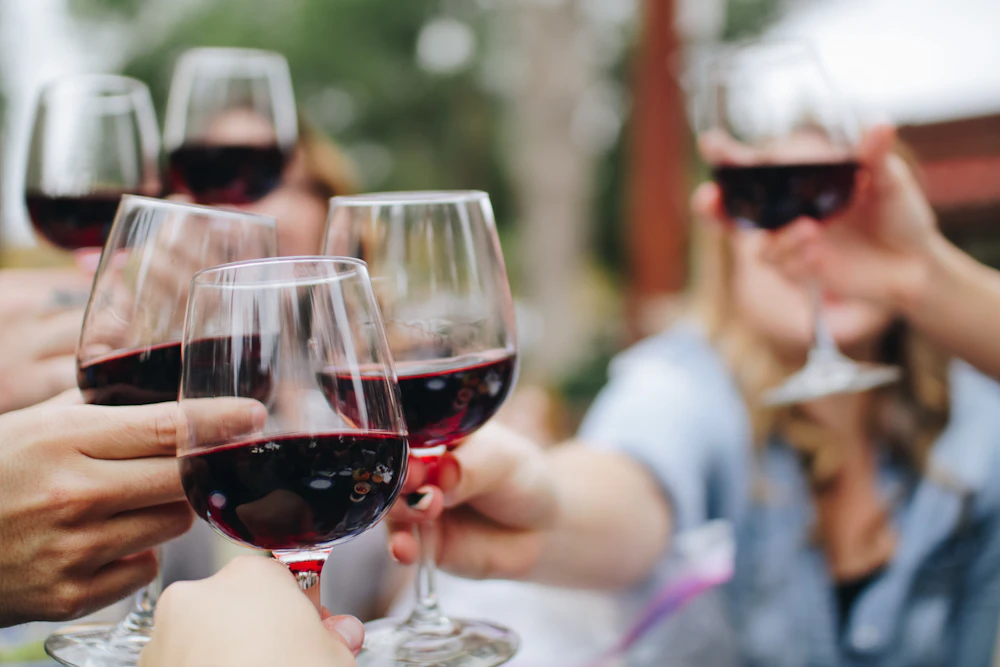

Discover structured reds, crisp whites, and sparkling celebrations from iconic regions worldwide.
World wine regions
Get to know hallmark regions and what makes their wines unique—climate, grapes, and classic taste profiles.

Elegant, earthy, and subtle—think Bordeaux, Burgundy, Champagne, and Provence rosé.
Key grapes: Cabernet Sauvignon, Merlot, Pinot Noir, Chardonnay, Sauvignon Blanc.

Food-loving wines from crisp Pinot Grigio to bold Barolo and Amarone.
Key grapes: Sangiovese, Nebbiolo, Barbera, Pinot Grigio, Glera (Prosecco).

Sun-soaked reds and refreshing whites—Rioja, Ribera del Duero, Cava, and Sherry.
Key grapes: Tempranillo, Garnacha, Albariño, Verdejo, Palomino.

Ripe, bold flavors from California, Oregon, and Washington’s diverse climates.
Key grapes: Cabernet Sauvignon, Zinfandel, Pinot Noir, Chardonnay, Syrah.

High-altitude Malbec and vibrant Torrontés shaped by Andean sunshine.
Key grapes: Malbec, Bonarda, Torrontés, Cabernet Sauvignon.

Cool ocean breezes create fresh, fruit-forward wines and expressive reds.
Key grapes: Carménère, Cabernet Sauvignon, Sauvignon Blanc, Chardonnay.

Powerful Shiraz and refreshing coastal whites from regions like Barossa and Margaret River.
Key grapes: Shiraz, Cabernet Sauvignon, Chardonnay, Riesling.

A bridge between Old World structure and New World fruit, especially around Stellenbosch.
Key grapes: Chenin Blanc, Pinotage, Cabernet Sauvignon, Syrah.
Wine styles explained
Learn the key differences between red, white, rosé, and sparkling wines—from color and aroma to body and sweetness.

Color tells a story
A wine’s color hints at its age, grape variety, and intensity. Lighter shades often suggest fresher, more delicate flavors, while deeper hues can mean richer fruit, more tannin, or oak aging. Swirl, observe, and let the glass speak before you even take a sip.
Tasting, simplified
With a few simple steps—look, swirl, smell, and sip—you can taste wine like a pro, not just drink it.
Hold the glass against a white background. Notice the shade (pale, deep, brick), clarity, and how the wine clings to the glass.
Gently swirl to expose more surface area. This releases aromas and softens harsh edges through oxygen.
Take a few short sniffs. Can you spot fruit (berry, citrus), floral, herbal, spicy, or toasty notes?
Think about sweetness, acidity, tannin (bitterness), body, and finish. Does the flavor disappear quickly or linger?
Explore bottles
Filter by style or use the search bar to discover classic wines and where they come from.
Blackcurrant, cedar, and earthy notes with firm tannins.
Roses, tar, and red cherry with gripping tannins and long finish.
Citrus, green apple, and flinty minerality from the Loire Valley.
Ripe tropical fruit, vanilla, and buttered toast notes.
Fine bubbles, citrus, brioche, and almond notes.
Pear, apple, and floral notes with lively bubbles.
Strawberry, citrus, and herbs—perfect for sunny afternoons.
Blackberry, plum, and cocoa with smooth tannins.
Passionfruit, gooseberry, and citrus with vibrant acidity.


